

Confessions Distribution
05/21/19

Breaking Glass Pictures acquires world rights to Eco-Terrorist: The Battle for our Planet by Peter Jay Brown with music by Drew Schnurr—a follow-up to the 2010 feature documentary Confessions of an Eco-Terrorist.
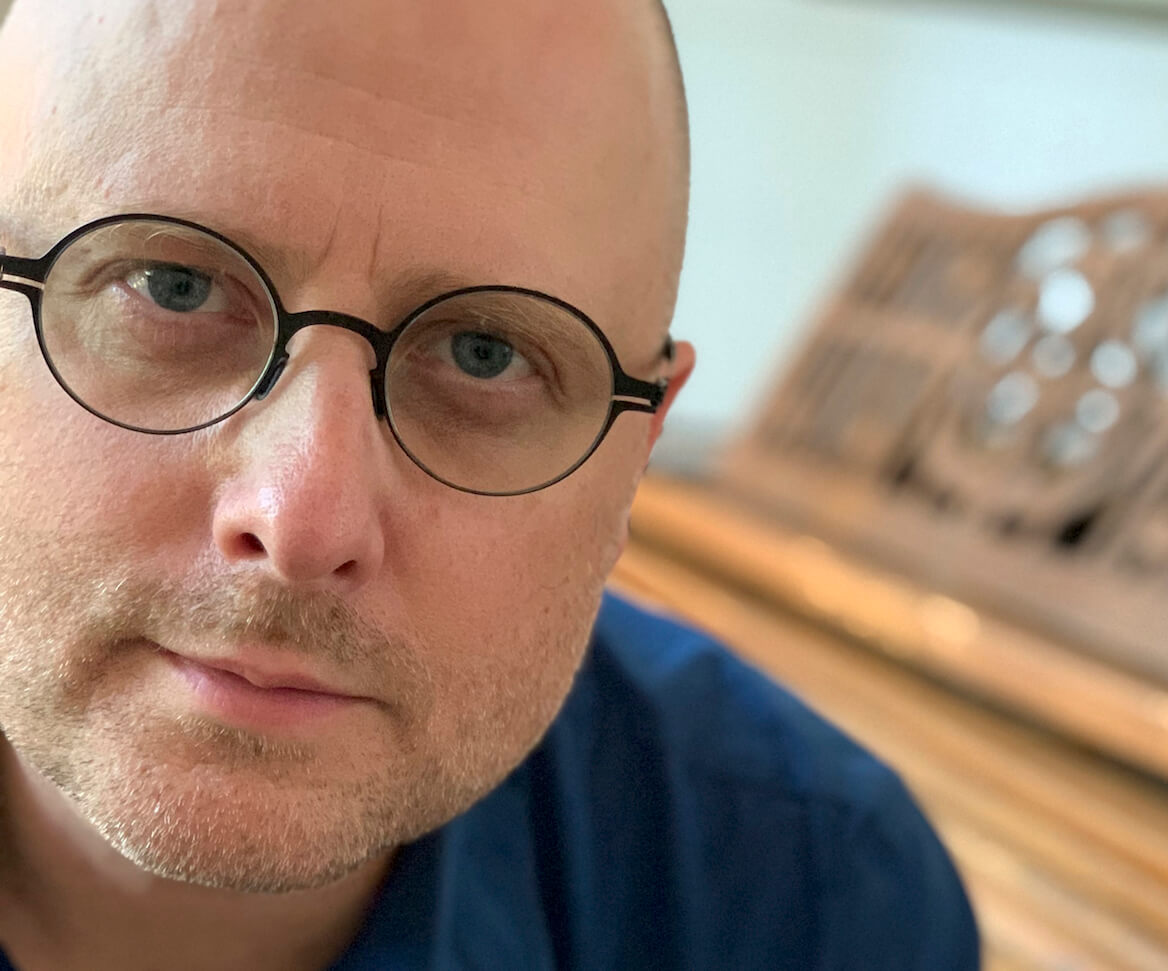

Drew Schnurr is a composer, sound artist, and performer from Los Angeles whose work blurs traditional lines in music, media, and sound.
As a composer for media, Drew has produced music and sonic branding for numerous world brands and media conglomerates. He is also an active concert composer and sound artist with a diverse range of international commissions and exhibits.
Revered by his peers, industry professionals, and critics, his work has been called both “rare” and “remarkable.”
“This composer bends and stretches rules within his own aesthetic, weaving his musical ideas in harmonious waves that threaten to drown, yet gently tumble the listener forward with intrigue and anticipation.” -Adam Rosenthal review for Persee: Orchestrated Perception
for Piano with Four Hands [cat. sc26]
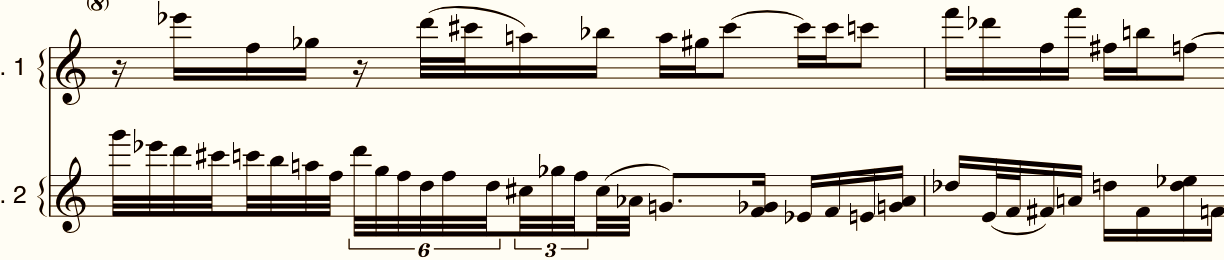
Hyperventilations of a Fire Dragon harnesses music from my early career as a performer in latin bands, jazz ensembles, funk bands, and rock and metal bands. The underlying fervency of these influences is felt throughout the work, leveraged by the power and agility of the piano, driving the performance often to the edge of playability. This piece initiates a compositional renaissance, a drilling down into the musical cores of “fire” that constitute the music of my youth. It comes from the gut—quite literally, was breathed into life. The melodic and rhythmic motives are all derived from vocal inflections (and hyperventilations) improvised, recorded, transcribed and re-composed by the composer.
DREW SCHNURR (2015)
Premiered by Vicki Ray and Aaron Kallay — Hear Now Festival, Los Angeles, May 2015.
Video performance by pianists Kookhee Hong and Minji Noh.
for Piano with Four Hands [cat. sc26]
Hyperventilations of a Fire Dragon harnesses music from my early career as a performer in latin bands, jazz ensembles, funk bands, and rock and metal bands. The underlying fervency of these influences is felt throughout the work, leveraged by the power and agility of the piano, driving the performance often to the edge of playability. This piece initiates a compositional renaissance, a drilling down into the musical cores of “fire” that constitute the music of my youth. It comes from the gut—quite literally, was breathed into life. The melodic and rhythmic motives are all derived from vocal inflections (and hyperventilations) improvised, recorded, transcribed and re-composed by the composer.
DREW SCHNURR (2015)
Premiered by Vicki Ray and Aaron Kallay — Hear Now Festival, Los Angeles, May 2015.
Video performance by pianists Kookhee Hong and Minji Noh.
Breaking Glass Pictures acquires world rights to Eco-Terrorist: The Battle for our Planet by Peter Jay Brown with music by Drew Schnurr—a follow-up to the 2010 feature documentary Confessions of an Eco-Terrorist.
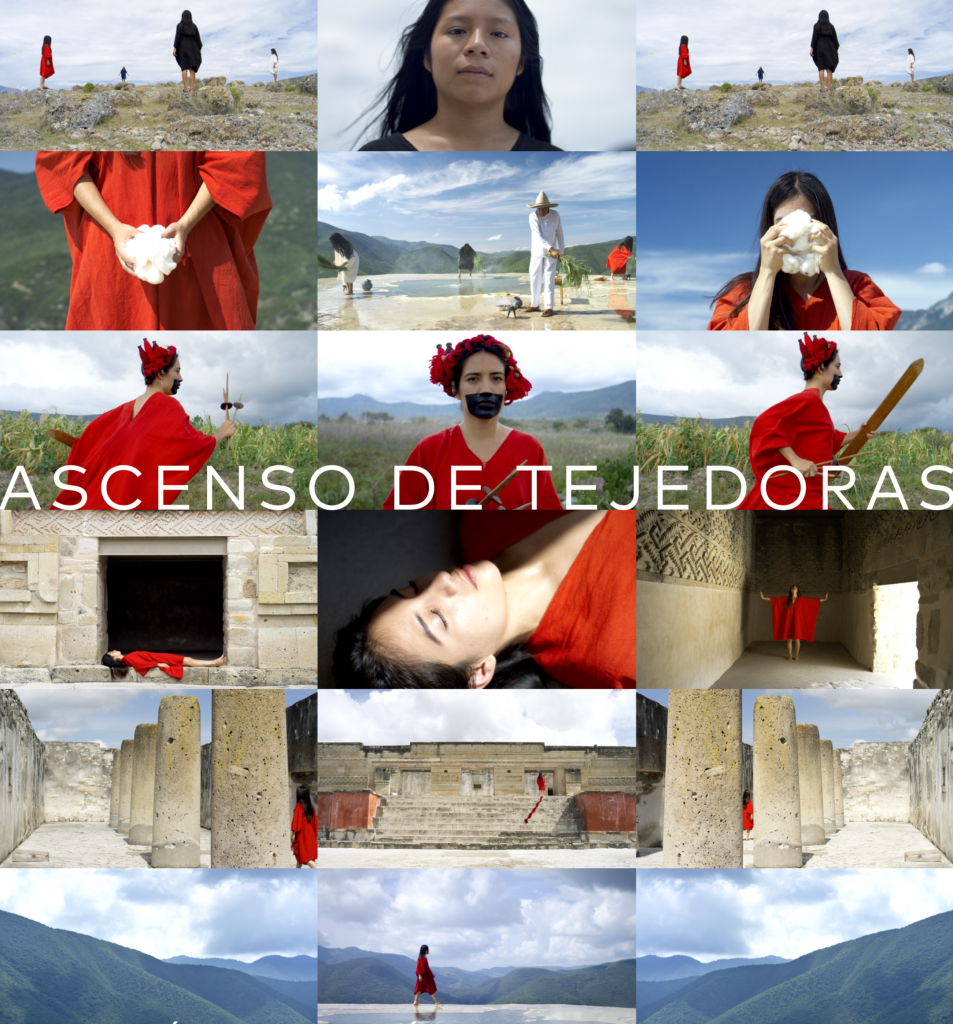
Ascent of Weavers, a visual-music film by Rebeca Méndez in collaboration with Drew Schnurr at the Museum of Contemporary Art in Oaxaca, Mexico.
Exhibits from November 30, 2018 to May 17, 2019.
info @ rebecamendezstudio.com/Ascent-of-Weavers

A virtual architecture by Drew Schnurr, the #ARCH1 (Augmented Reality Concert Hall no.1) prototype was completed on May 15, 2019. Research assistants and producers on the project include Rachel Lanik Whelan and Jacob Thede with programming by Ian Afflerbach.
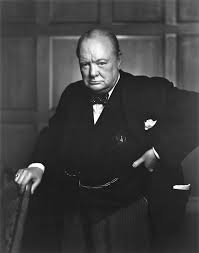 West Coast premiere of Drew Schnurr’s Churchill’s War for orchestra. Performed by OCOC conducted by David Rentz.
Anaheim, CA, April 2, 2017.


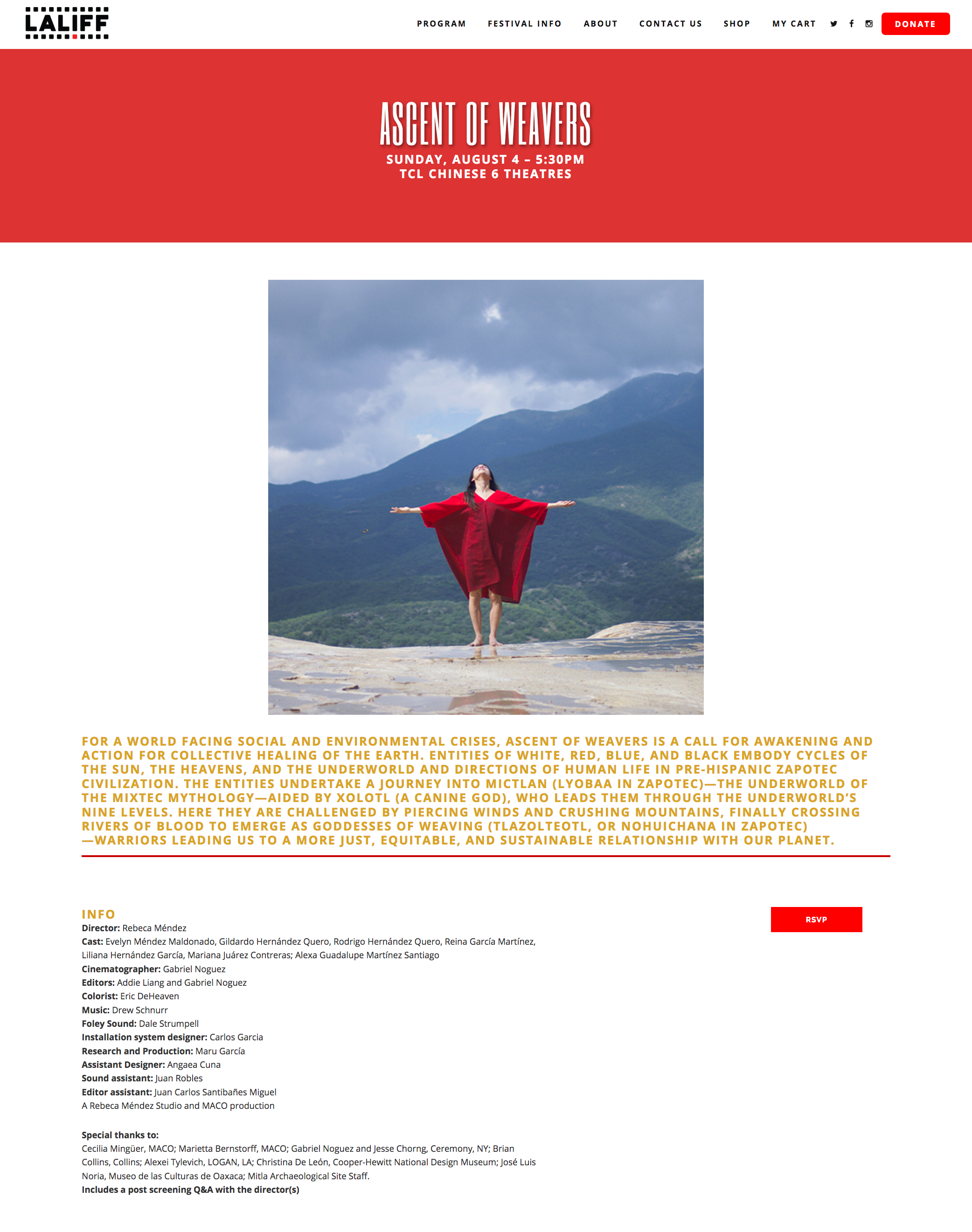
Ascent of Weavers, a film by Rebeca Méndez with music by Drew Schnurr, featured at the 2019 Los Angeles Latino International Film Festival.
info @ latinofilm.org/ascent-of-weavers
trailer and credits @ rebecamendezstudio.com
Judging films submitted for the 48 Hour Film Project in Dallas. Screenings on July 31 and August 1.